Is Yellowknife Worth Visiting? An Honest Answer From a Local Guide
I guide here for a living, so I am biased. But I will give you the real math on what Yellowknife does brilliantly, and the honest list of what it does not do at all.
 Written with Thomas Beaulieu, Yellowknife tour guide & northern lights specialist
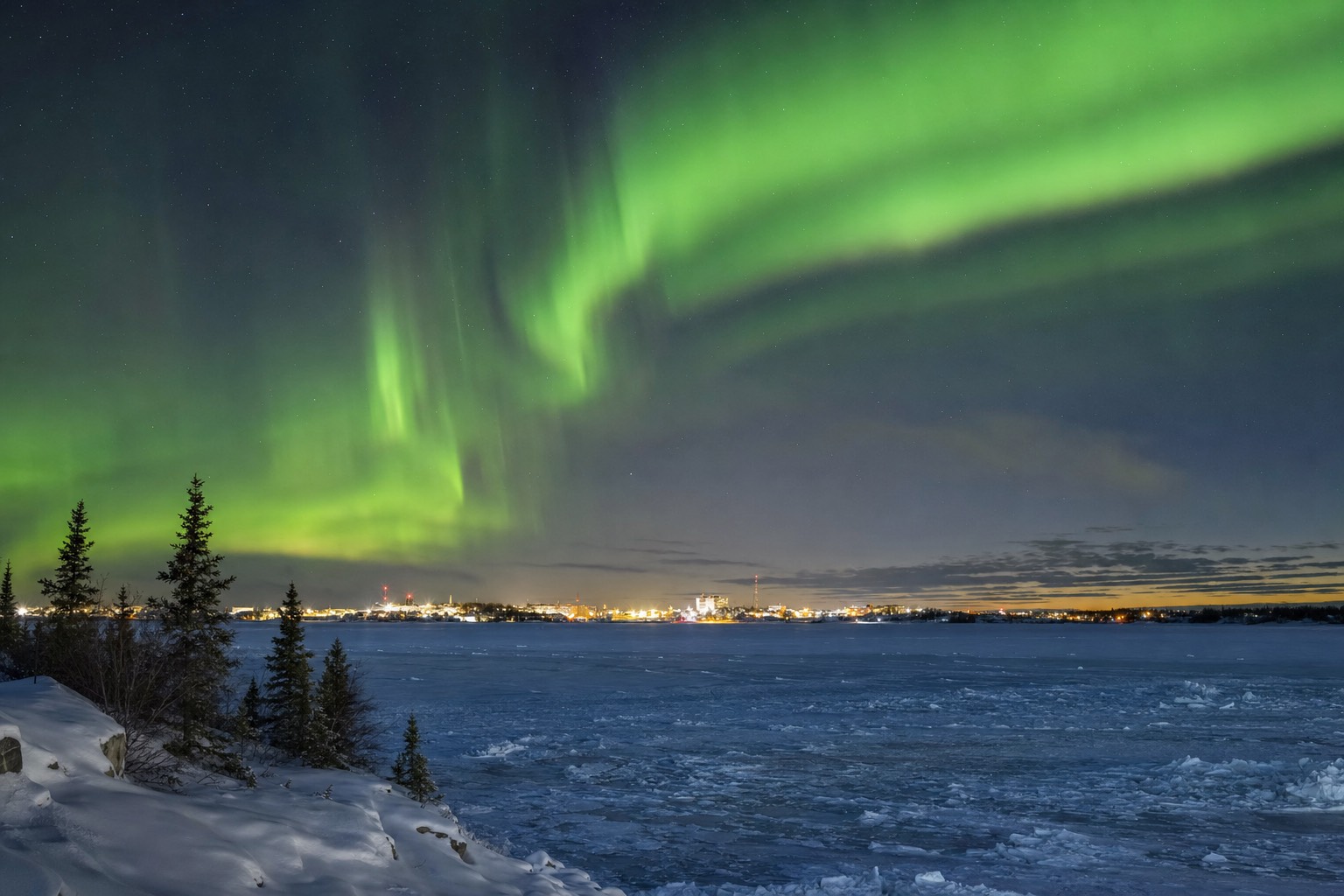
Short answer
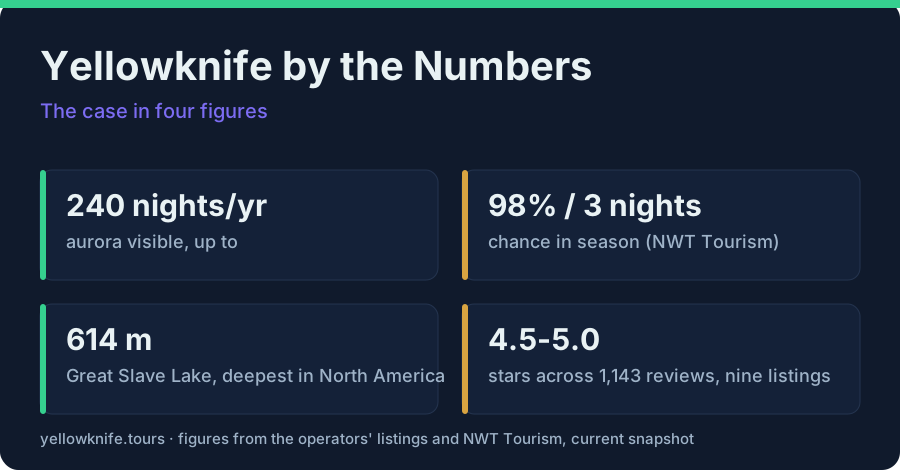
Yes, if you come for the aurora, winter adventure, or northern character. Yellowknife sits directly under the auroral oval with lights visible up to 240 nights a year and a 98% chance of a sighting over three nights in season. It is not worth the trip for nightlife, architecture, or a cheap city break.
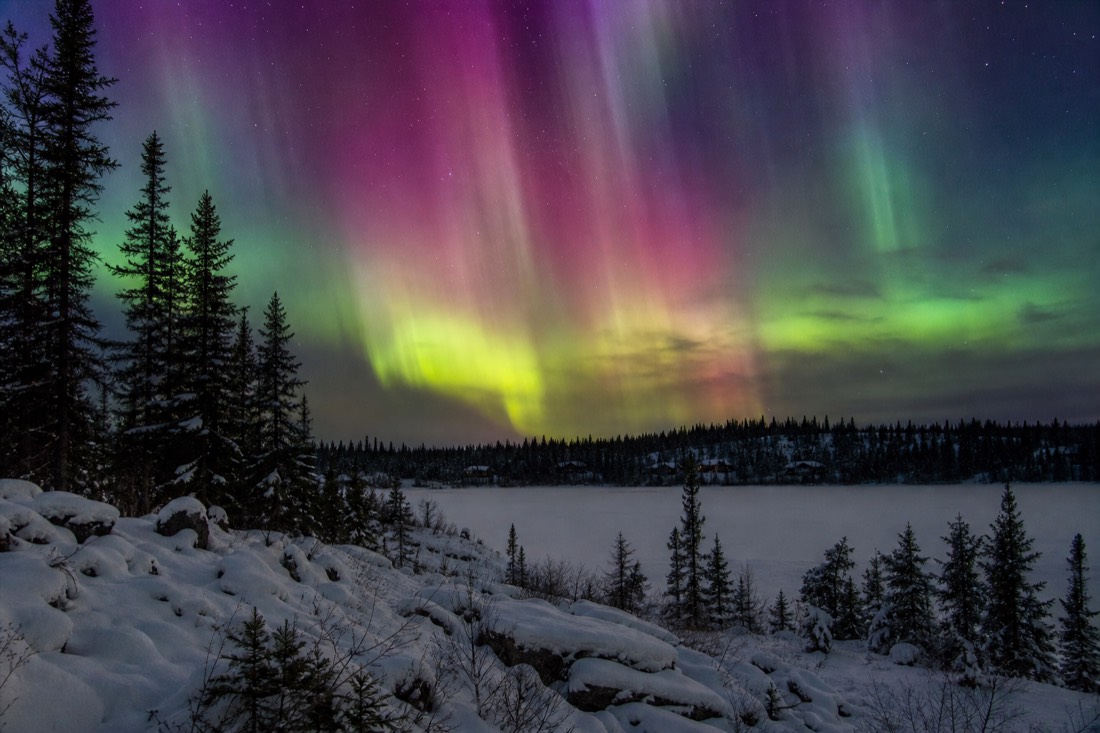
People ask me this on almost every tour, usually around midnight while they are staring at a green band folding over the lake. My honest answer has two halves. Yellowknife is one of the best places on the planet at exactly one family of things: aurora, ice, dogs, snow, and the strange frontier culture that grew up around a 1930s gold rush. Everything else, this small northern capital does modestly or not at all. Whether it is worth visiting depends entirely on which half you are coming for.
Is Yellowknife worth visiting, honestly?
Yes, for the right traveler. Yellowknife sits directly under the auroral oval, with aurora visible up to 240 nights a year and a 98% chance of at least one sighting over three nights in season. Add dog sledding, ice fishing, and genuine northern character. It is expensive to reach, small, and brutally cold in winter, so come for the North, not for a city break.
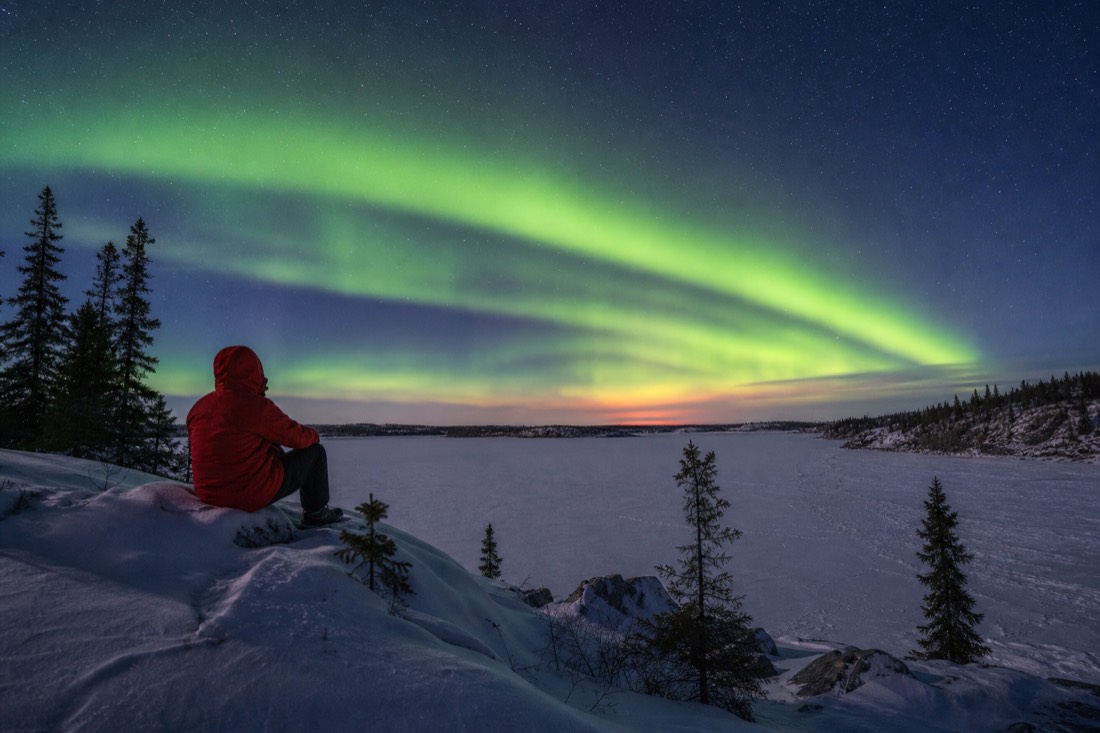
The case for coming rests on numbers most destinations cannot touch. NWT Tourism publishes the figures I quote to guests: the sky here lights up on up to 240 nights a year, and a three-night stay in season carries a 98% chance of seeing the show at least once. That is not marketing gloss. Yellowknife sits under the auroral oval itself, so even quiet solar nights produce displays that would count as rare events further south. Travel and Leisure ran the same 240-nights figure when it profiled the city, which tells you how unusual that stat is.
The case against is just as real, and I would rather you hear it from me than discover it at the airport. Direct flights come from Edmonton, Calgary, and Vancouver, so most international visitors connect at least once and pay northern airfares to do it. Food and lodging cost more than they would down south because almost everything arrives by plane or a long highway. The city itself is small. You can walk Old Town and downtown in an afternoon. And from December through March the cold is not a novelty, it is a force: January nights average around minus 29. If your dream trip is rooftop bars and gallery districts, this is not your town.
What does Yellowknife actually do better than anywhere else?
Aurora viewing, first and by a wide margin. The combination of a position under the auroral oval, flat horizons, relatively dry clear winters, and low light pollution outside town makes this one of the most reliable aurora destinations on Earth. Around that sits a full winter-adventure menu: dog sledding, snowmobiling, ice fishing on the deepest lake in North America.
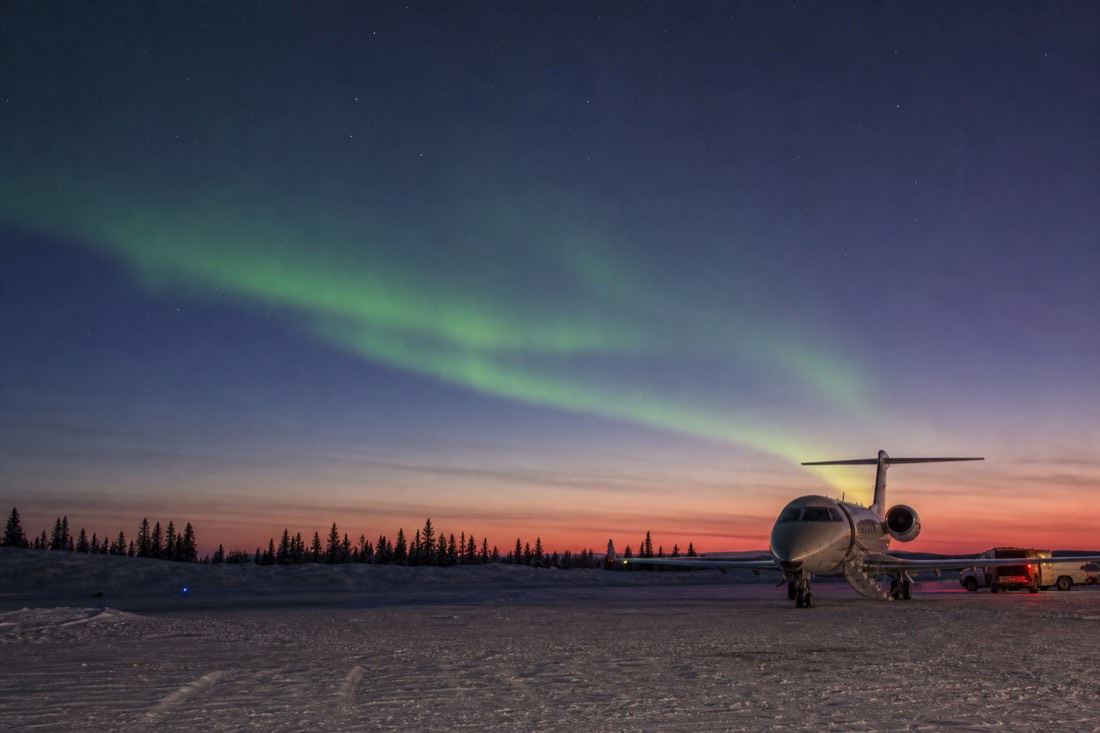
The aurora advantage is structural, not luck. There are no mountains to block the sky, winter air tends to be dry and clear, and five minutes of driving puts you in real darkness. The best months for the lights split into two seasons, mid-August to early October over open water, then mid-November to early April over snow, so the viewing window covers most of the year.
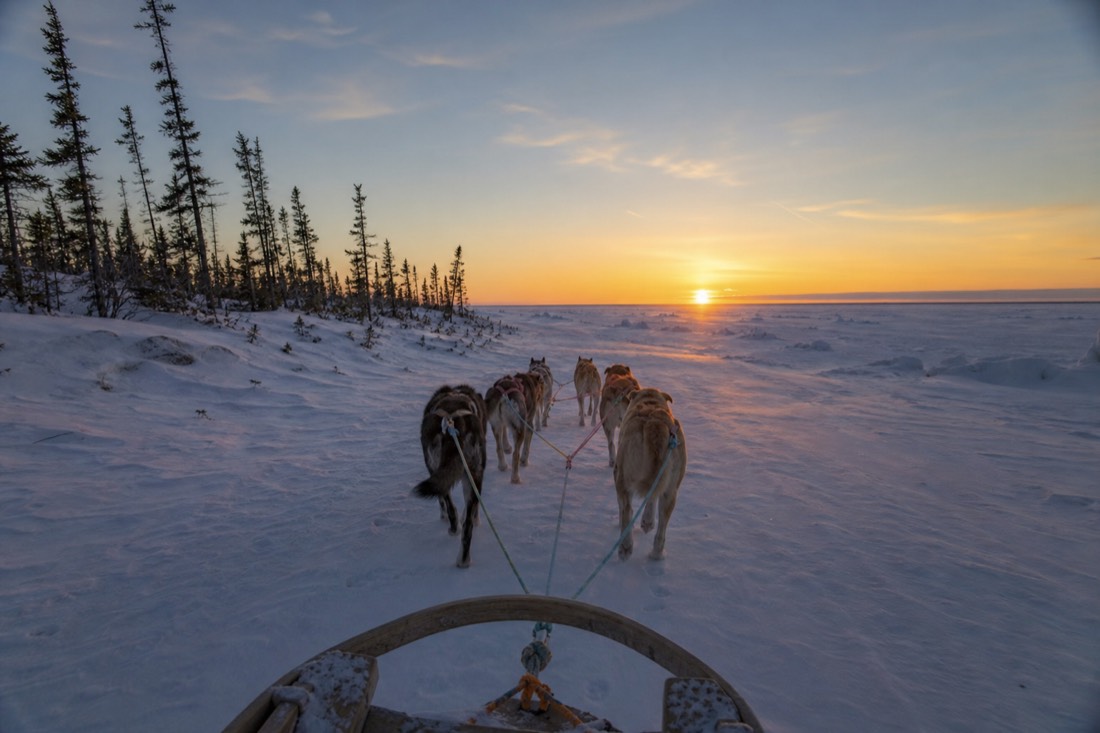
Then there is the rest of the menu, which is what surprises people. Great Slave Lake drops to 614 metres, the deepest in North America, and in winter operators run heated fishing huts on top of it. Kennels outside town run daily dog-sled trips. Snowmobile trails leave from the edge of the city. In March the SnowKing builds a full snow castle on the frozen bay, dates posted every year at snowking.ca. I cover the full winter list in things to do in Yellowknife in winter, but the short version is that the days fill up as fast as the nights.
Who is Yellowknife for, and who should skip it?
Come if the aurora is a bucket-list item, if you want hands-on winter adventure, or if northern frontier culture appeals to you. Skip it if you want nightlife, shopping, grand architecture, or warm-weather comfort, because a small subarctic capital of gold-rush cabins and float planes cannot offer any of that.
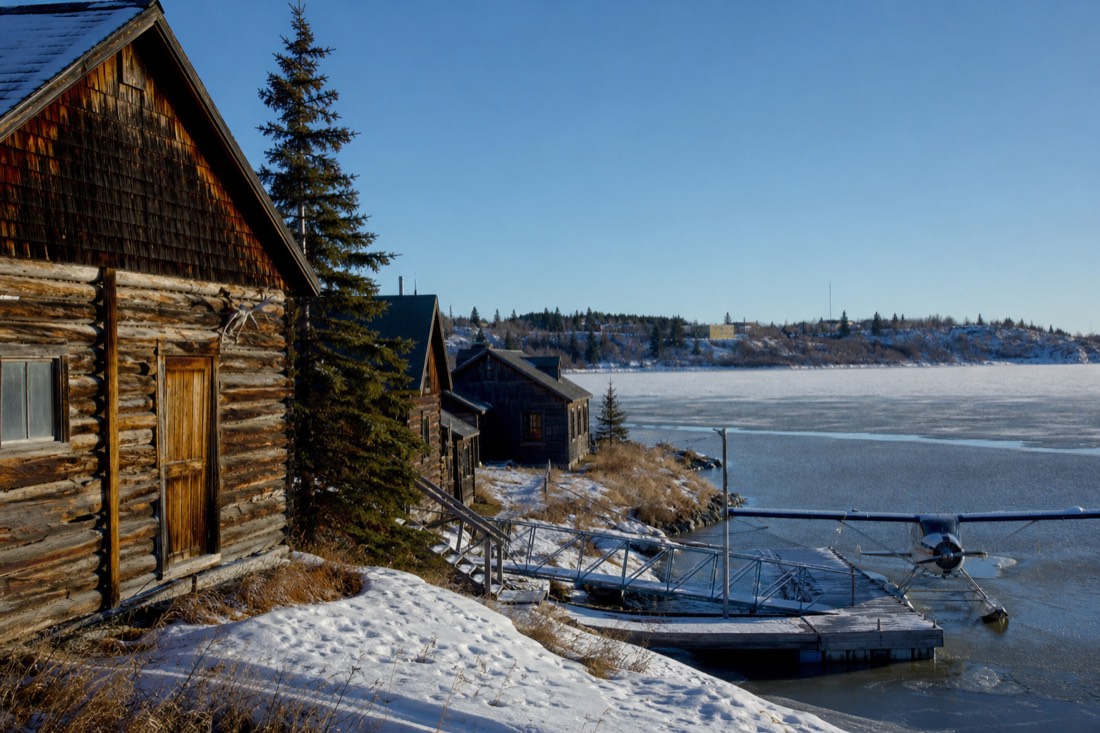
I have guided more than a thousand travelers since 2022, and the happy ones share a pattern. They came for something specific the North does well, and they treated the city as the base camp rather than the attraction. The disappointed ones expected a destination city and found a working government town with a spectacular sky.
| You should come if you... | You should skip it if you... |
|---|---|
| Have the northern lights on your list and want the best realistic odds | Want guaranteed sights on a fixed one-night schedule |
| Enjoy cold-weather adventure: dog sledding, snowmobiles, ice fishing | Hate the cold and plan to stay indoors after dark |
| Like small-town character, bush planes, houseboats, gold-rush history | Measure a trip by restaurants, shopping, and nightlife |
| Can stay 3+ nights, the length the 98% figure is built on | Have one spare night on a tight Canadian itinerary |
| Travel between mid-August and early April | Can only travel from mid-April to late July, when the midnight sun erases the aurora |
That last row matters more than people expect. Around the June solstice the sky holds about 20 hours of daylight, so there is a stretch of late spring and summer with no aurora at all, and the city's biggest draw is switched off.
How much of your time does Yellowknife actually cost?
More than a normal city stop. Getting here usually means connecting through Edmonton, Calgary, or Vancouver, aurora viewing happens between roughly 10pm and 2am, and the odds are built on a three-night stay. Plan on three to four nights minimum, with days for tours and late nights for the sky.
Time is the honest currency here, so budget it like money. The table below uses real tour durations from the listings I work alongside, not estimates.
| Commitment | How long it takes | Notes |
|---|---|---|
| Reaching the city | Direct flights from Edmonton, Calgary, Vancouver | Plus seasonal routes; most overseas visitors connect once |
| Minimum useful stay | 3 nights | The stay length behind the 98% sighting figure |
| Aurora hunt | 4 hours, roughly 10pm to 2am | Pickups around 9:30 to 10:30pm, peak near local midnight |
| Dog sledding | 2 to 3 hours | Kennel visit plus a ride on the lake trails |
| Ice fishing with lunch | 3.5 hours | Heated huts on Great Slave Lake, catch cooked on the ice |
| Snowmobile trip | 2 hours | 50 to 60 minutes of actual riding for beginners |
| City and culture tour | 1 to 4 hours | Old Town, Bush Pilots Monument, Legislative Assembly |
The rhythm that works: land, sleep, then run one day activity and one night hunt per day. Aurora nights end between 1:30 and 2:30am, so back-to-back early mornings are a rookie mistake. For flight specifics and the drive option, start with getting to Yellowknife.
If the lights are your main reason for coming, this is where I stop being neutral. The best-reviewed way to spend those late hours is a guided hunt that chases clear sky instead of waiting under cloud, and the flagship trip runs 4.8 across 399 reviews with hotel pickup, three viewpoints, and a photographer shooting free photos of you under the sky. Compare the options on the northern lights tours page, then check live availability and prices on Viator for your dates before evening slots fill.
What are the honest downsides nobody puts in the brochure?
Cost, size, and cold. Northern flights and freighted-in food make this an expensive place to reach and eat in. The city is small enough to see in a day, and December through March regularly drops below minus 20 at night. None of these are dealbreakers if you expect them, all of them sting if you do not.
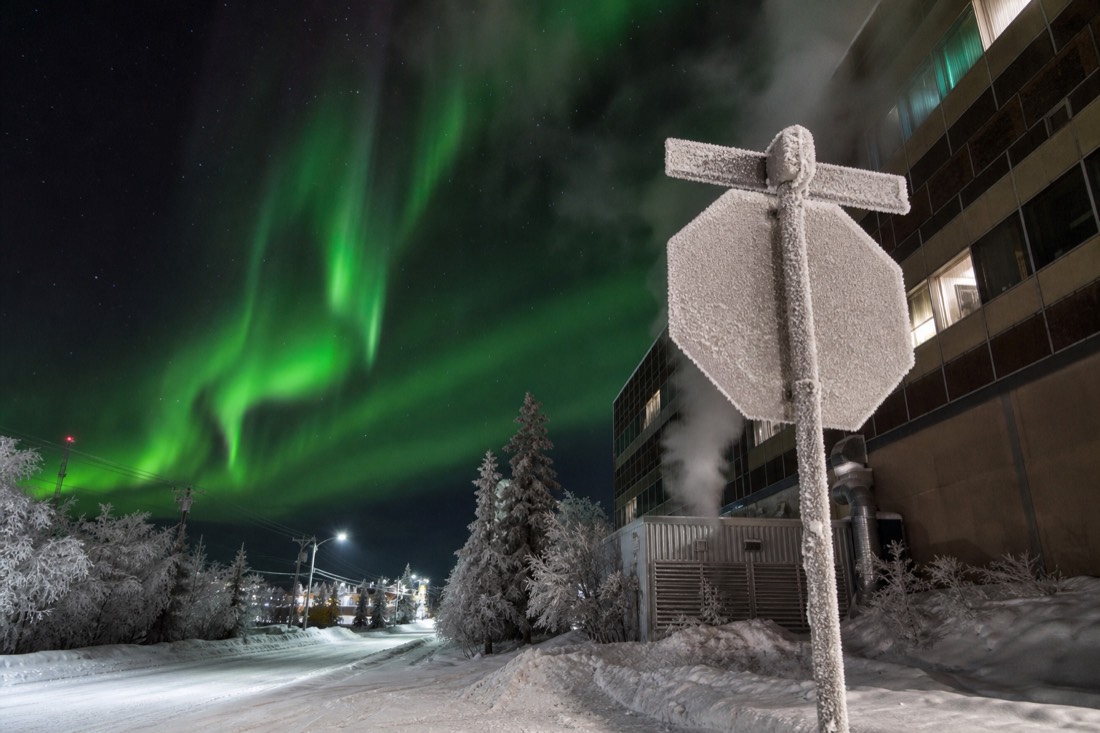
Let me be specific, because vague warnings help nobody. The cold is the most manageable downside: operators run heated vans, heated huts, and heated lodges, and several rent full arctic clothing sets, parka to boots, right in town. Guests routinely tell me the minus 25 night felt easier than a damp zero back home. I wrote up what minus 30 actually feels like because the number scares people more than the experience does.
The size cuts both ways. There is no big-city buzz, but there is also no big-city anonymity. You will recognize your waiter from yesterday's tour. Free sights soften the budget: the Legislative Assembly and the Prince of Wales Northern Heritage Centre both cost nothing, and the Bush Pilots Monument view over the houseboats of Yellowknife Bay is the best free vista in town.
So what is the final verdict?
Worth it, emphatically, for aurora chasers and winter-adventure travelers between mid-August and early April, with three or more nights to spend. Not worth it for one-night stopovers, midnight-sun months, or travelers who need urban polish. Yellowknife is a specialist destination, and what it specializes in, almost nowhere does better.
One last fork in the decision: which version of the city you meet. The seasons offer three genuinely different trips, and only two of them include the main event.
| Season window | What you get | Verdict |
|---|---|---|
| Mid-Nov to early Apr | Winter aurora season, longest darkness, full activity menu, deep cold | The classic trip, worth it for most |
| Mid-Aug to early Oct | Autumn aurora over open water, milder nights, lighter packing | The underrated pick, worth it for the cold-averse |
| Mid-Apr to late Jul | Midnight sun, near-22-hour daylight, mild weather, no aurora at all | Only worth it if the lights are not your reason |
My one-line advice after four years of guiding: decide what you are coming for before you book, then give it three nights. If that thing is the aurora, pick your window with the best-time guide, and read what an actual aurora hunt is like so the late nights do not surprise you. The people who plan that way go home calling this the best trip they have taken. I get the emails.