The SnowKing Winter Festival, Yellowknife's Ice Castle on the Bay
Yellowknife's ice castle is the SnowKing snow castle on the frozen bay, rebuilt every March. What it is, going inside, and the 2026 and 2027 dates.
 By Thomas Beaulieu, Yellowknife tour guide & northern lights specialist
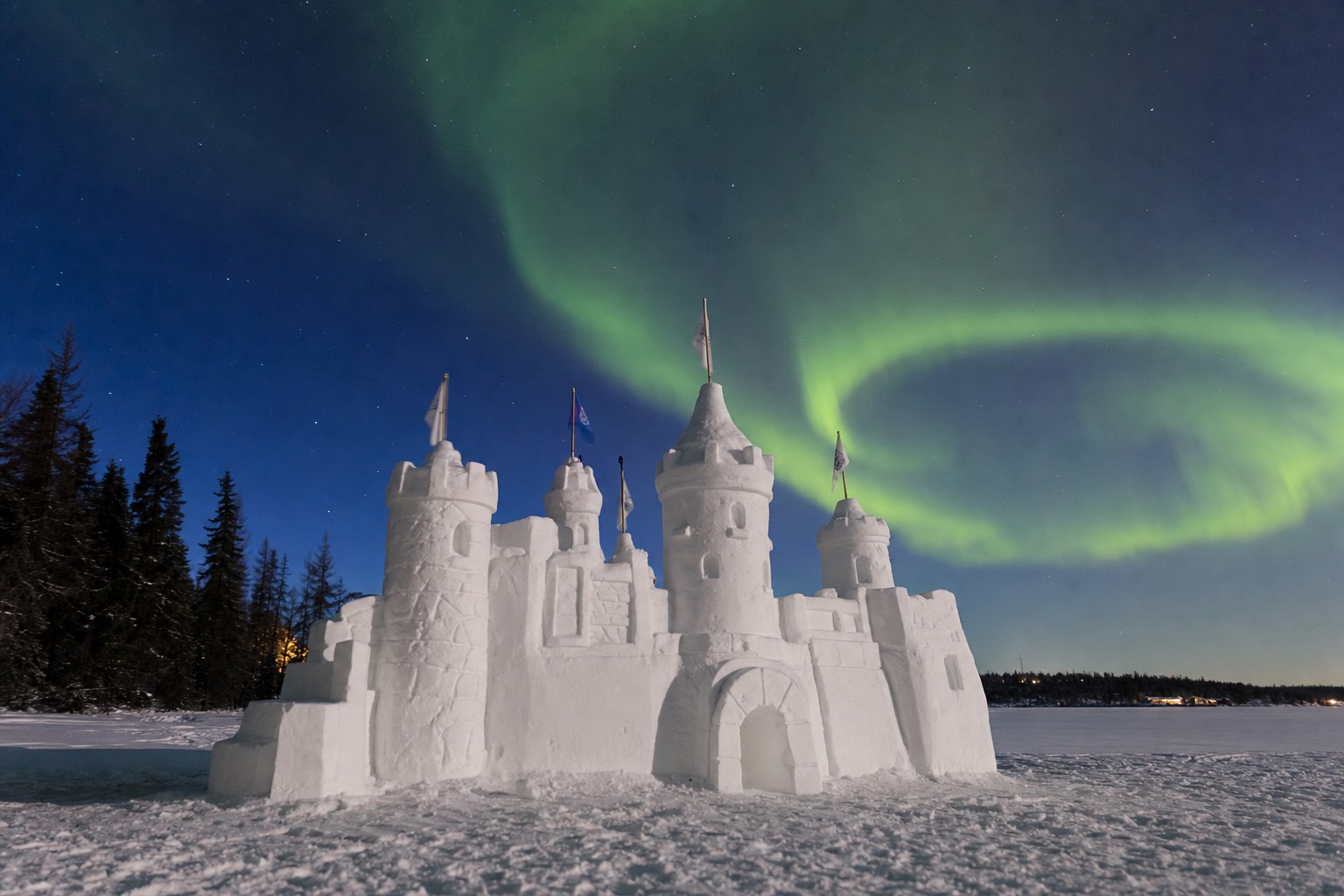
Every March I get to say a sentence that sounds invented: meet me at the castle on the lake. There is a real castle, made of snow, standing on the frozen surface of Yellowknife Bay, with towers and a courtyard and a stage, and in the evening a band plays inside it while the crowd's breath rises into the cold air like smoke. Then April comes, the sun does its work, and the whole thing melts back into the bay. I have watched guests walk through the gate and laugh out loud. It has that effect.
Almost every guest who asks me about it calls it the ice castle. Nobody here does. Same building, two names, and the emails I get before March are usually some version of the same three questions: what is it, can I actually go inside, and when.
What is the ice castle in Yellowknife?
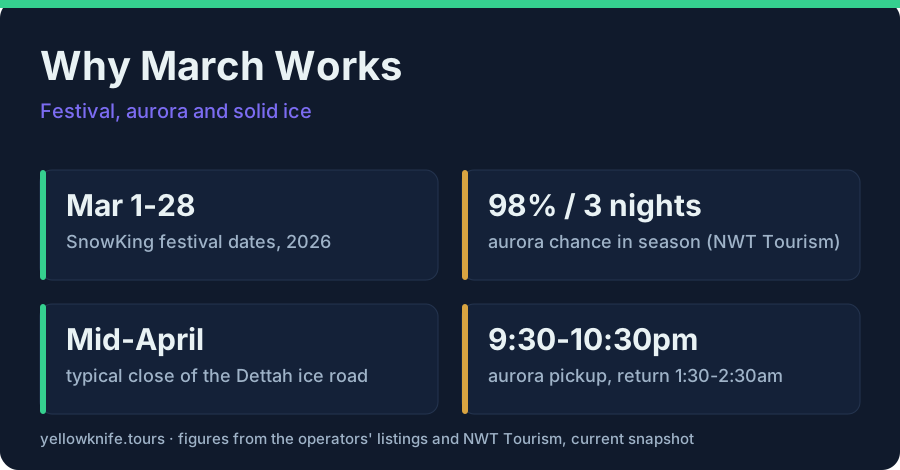
The ice castle in Yellowknife is the SnowKing Winter Festival's snow castle, carved fresh on the frozen surface of Yellowknife Bay every winter. It is a real walk-in building, not a sculpture, and the festival fills all of March: March 1 to 28 in 2026, with March 1 to 28 announced for 2027.
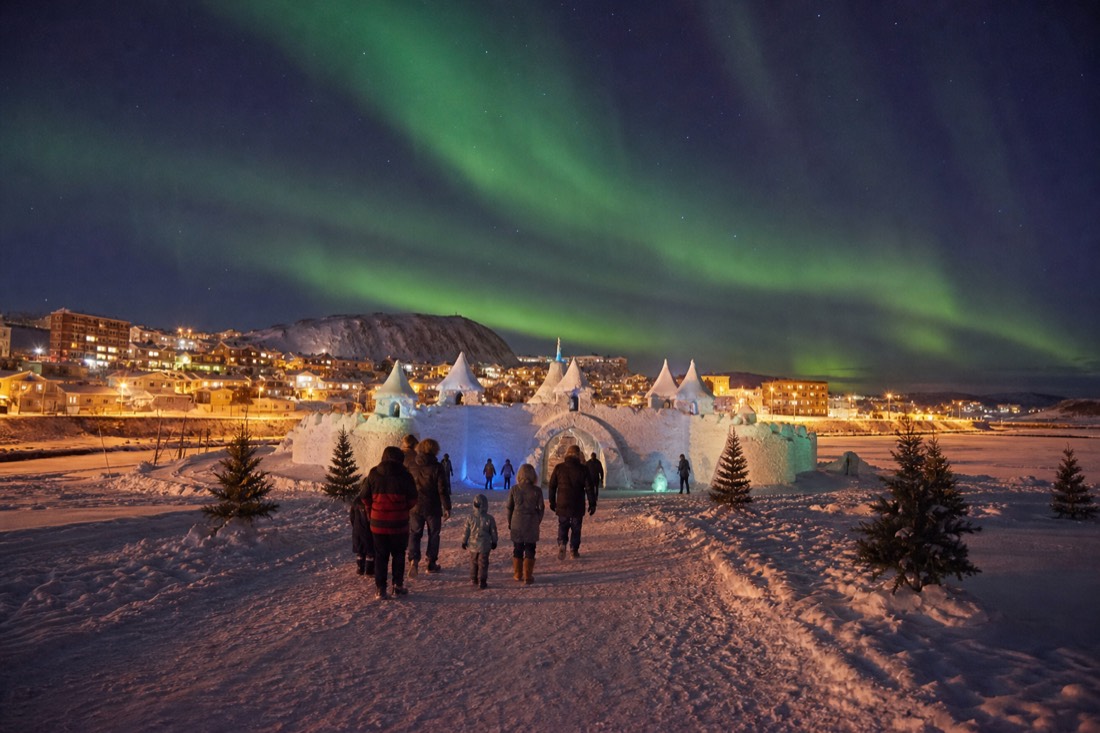
The premise is gloriously simple. Each winter, the SnowKing and crew harvest snow on the bay and build a castle out of it, a real building you walk into, not an ice sculpture you circle politely. It rises within sight of the Old Town shore, so the gold-rush shacks and the castle share one view. Come March the doors open and a month of programming runs inside it. Dates, tickets and the season's plans live on the festival's own site, which is worth checking before you lock flights.
So yes, you go in. That is the whole idea, and it is the part the phrase ice castle undersells, because the name makes it sound like a photo stop when this one holds a courtyard, a stage and a month of programming. The material is snow rather than ice, which is why nobody local calls it ice. Ask for the ice castle in a Yellowknife cafe anyway and you will still get directions.
| Festival fact | Detail |
|---|---|
| What | A carved, walk-in snow castle plus a month of events |
| Also called | The ice castle, the snow castle, or just SnowKing |
| Where | On frozen Yellowknife Bay, off Old Town |
| 2026 dates | March 1 to 28 |
| 2027 dates | March 1 to 28, announced |
| How often | Rebuilt from scratch every March |
The rebuilt-every-year part is what I make sure guests understand. No two castles are the same. Whatever you walk through this March will not exist in twelve months, which turns a visit into something closer to catching a show than seeing a monument. It is also the reason the timing is unforgiving: there is no off-season version, no summer opening, nothing standing on that bay in July. March or nothing, which is a strange thing to say about a building.
What is it actually like inside a snow castle?
Bright, muffled and colder than you expect to enjoy, yet you do. Snow walls swallow sound, daylight glows through carved windows, and the courtyard hosts concerts, performances and family events all month. You watch a live band play while standing inside a building that will be water by May.
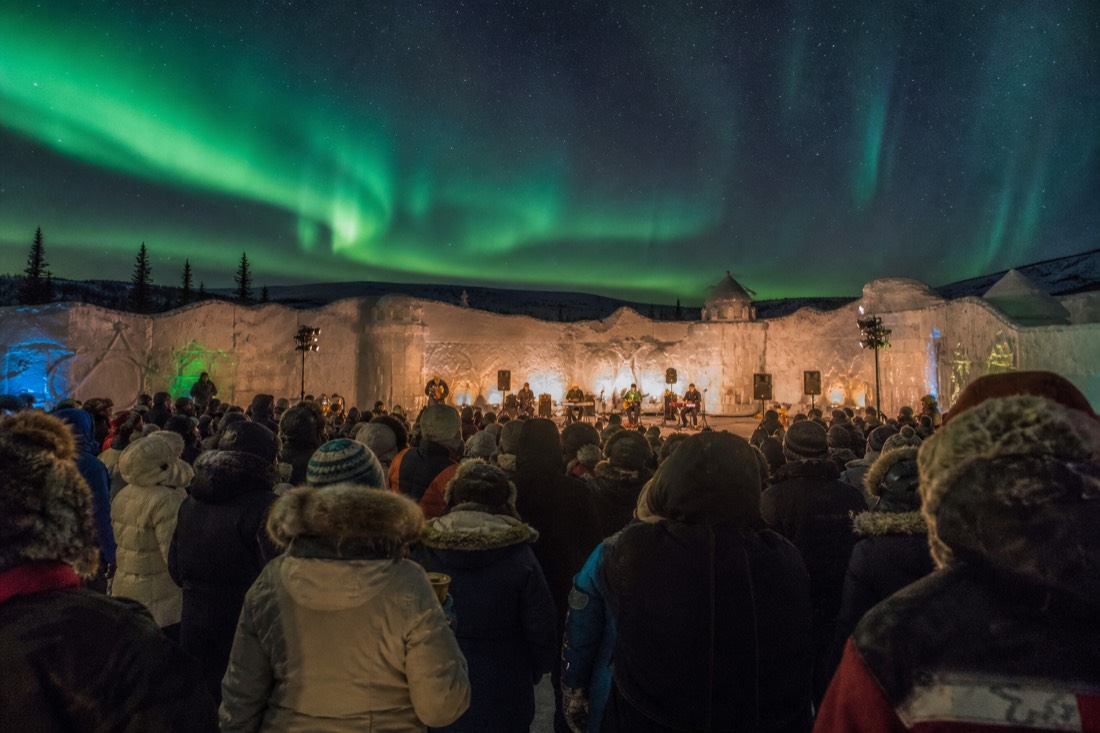
The acoustics are the first surprise. Snow absorbs sound, so stepping through the gate is like entering a padded room with a sky. Voices soften. Then your eyes adjust and the details land: carved reliefs in the walls, snow slides for the kids, passageways, the courtyard opening up with its stage. During the day it runs family-friendly; evenings bring concerts and performances where the crowd dances in parkas because standing still at those temperatures is not really an option.
Anyone who arrives expecting a glowing walk-through attraction recalibrates somewhere around the courtyard. Whatever the ice castle label suggests, this is closer to a village hall that happens to be made of weather.
Dress like you mean it. You are inside snow, standing on a frozen lake, often into the evening, and the month is still genuinely cold. My full layering advice is in the guide to what to wear in a Yellowknife winter, and if you want to know what you are calibrating against, read what minus 30 feels like beforehand. March is milder than January, but the castle has no furnace. That is rather the point.
Why is March the smart month for Yellowknife anyway?
Because March gives you the winter experiences on solid ice with far more daylight and no loss of aurora. The viewing season runs to early April, Yellowknife sees aurora up to 240 nights a year, and NWT Tourism puts the odds at 98% over a three-night stay in season.
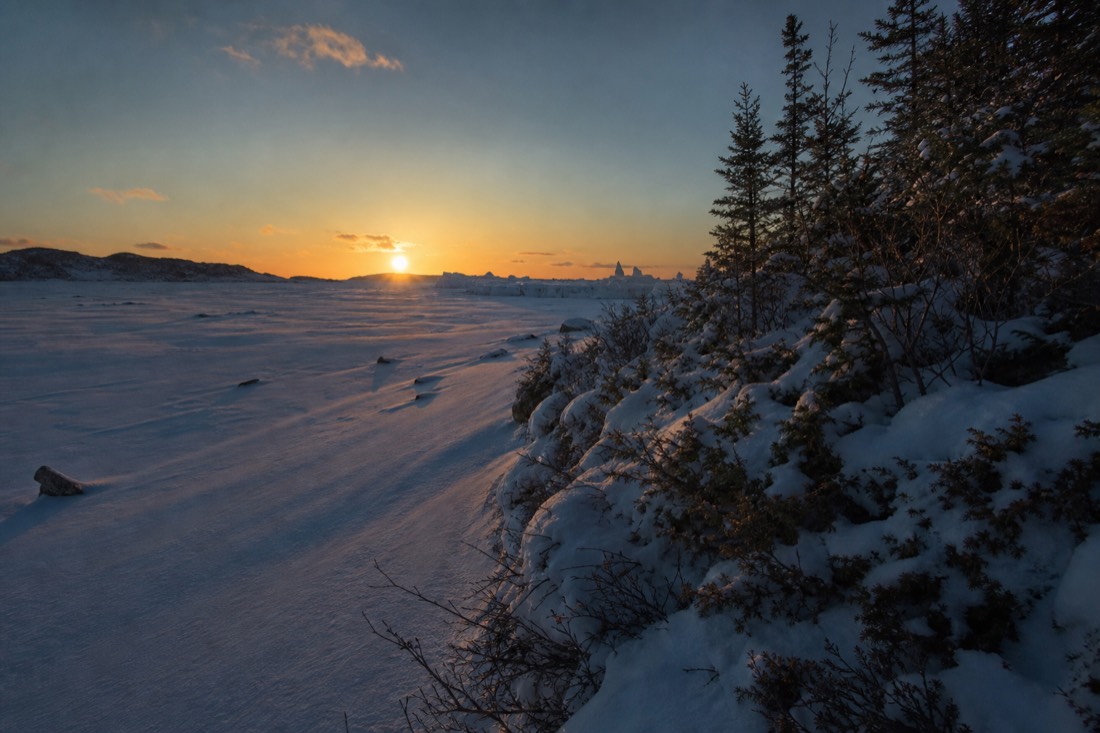
I push March on planners all the time, festival or no festival. Deep winter in December and January buys you maximum darkness at the price of the hardest cold and short, dim days. March keeps the frozen lake, the ice road and the dog teams, and hands back the daylight, so you can fill afternoons instead of hiding from them. And the night sky stays busy: sitting directly under the auroral oval, Yellowknife gets aurora on up to 240 nights a year, with a 98% chance of catching them at least once over three nights in season, figures NWT Tourism lays out in the northern lights by the numbers.
| Window | Feel of the season | Bay ice | Aurora season? |
|---|---|---|---|
| Mid-Aug to early Oct | Mild autumn, lights over open water | None, open lake | Yes |
| Mid-Nov to Feb | Deep cold, longest darkness | Freezing, then solid | Yes |
| March | Bright days, solid ice, festival month | At its most usable | Yes, to early April |
| Mid-Apr to late Jul | Midnight sun approaching | Melting, then gone | No |
For the fuller month-by-month reasoning, the guide to the best time to see the northern lights in Yellowknife walks the whole calendar, and once you have settled on the month, March planned in detail takes over from there with the temperatures, the daylight and the day-by-day shape of a trip.
How do you stack a festival day with a night aurora hunt?
Easily, because they use opposite ends of the clock. The castle and city fill your daylight, aurora tours collect you between about 9:30 and 10:30pm and return you around 1:30 to 2:30am, and peak aurora activity lands near local midnight. Nap after dinner and you can do both well.
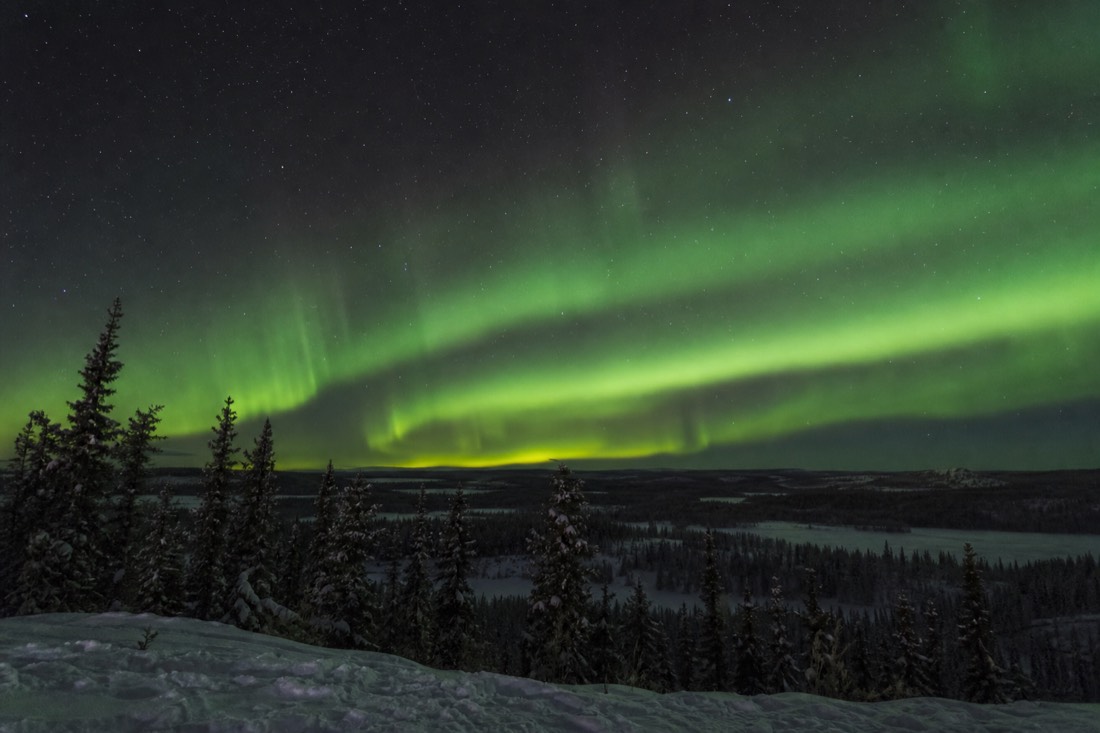
This is my standard March-day template for guests, tuned over four seasons of guiding.
| Time | What you are doing |
|---|---|
| Morning | Snow castle while the light is bright and crowds thin |
| Early afternoon | 3-hour small-group city and culture loop |
| Late afternoon | Old Town walk, or the ice road crossing |
| Dinner + rest | Eat early, nap without shame |
| ~9:30-10:30pm | Aurora tour pickup |
| Near midnight | Peak viewing window out at the viewpoints |
| ~1:30-2:30am | Back at the hotel |
The daylight anchor of that plan is the city and culture tour: 3 hours, capped at 14 people, rated 4.9 across 25 reviews, hitting Ragged Ass Road, the Heritage Centre, the Pilot Monument and the Legislative Assembly with some admissions included. It pairs with the castle because it explains the town the castle sits in front of. Compare the daytime options on the city tours page, then check live dates and prices for the city and culture tour on Viator for your festival week.
For the night half, the northern lights tours page compares the hunts; the flagship chase runs 4 hours with a photographer aboard and holds 4.8 across 399 reviews. What those late hours out on the snow are really like, I wrote up in what an aurora hunt in Yellowknife is really like.
What should you know before you go?
Book the March pieces early, check the festival's own calendar for event nights, and give yourself at least three nights so the aurora odds work for you. Daytime programming differs from evening shows, and the castle sits on lake ice, so dress for standing, not walking.
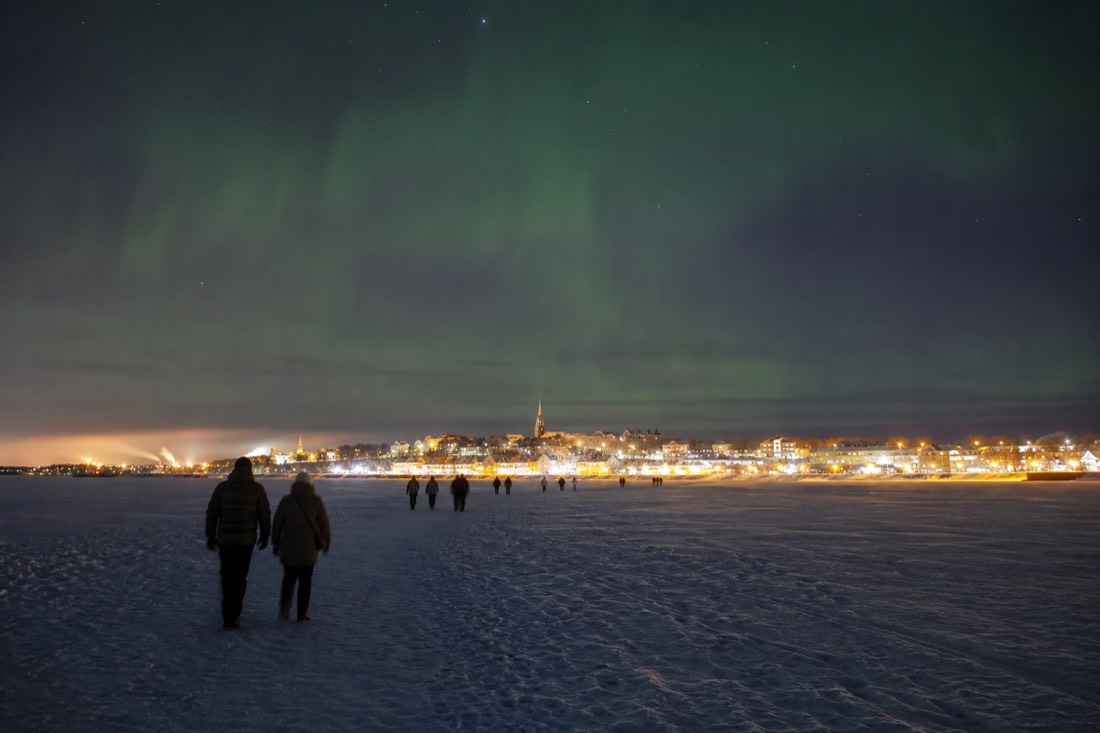
March is Yellowknife showing off, and word has gotten around, so the good rooms and small-group tours fill first. Three nights minimum is my honest floor, since that is the stay length the 98% aurora figure is built on. If March will not fit your year and you are hunting for a second-best week, the year-round Yellowknife events calendar lays out what else the town actually runs, and which of it overlaps aurora season. Nothing there replaces the castle. Some of it is worth flying for anyway. While you are out on the bay anyway, the same sheet of ice carries a public road to the Yellowknives Dene community of Dettah; driving the Dettah ice road is the strangest fifteen minutes you can add to a festival day.
A castle in the morning, a Dene community across the ice at noon, and the aurora at midnight. March here is not a compromise month. It is the month the whole town would tell you to come.